This box holds advertisements. Image host instructions continue below.

Novarata services are ad supported. Amazon referrals help, too. 
 Novarata services are supported in part by advertisments & referrals. If you like what Novarata offers, feel free to click on any Google ads, or shop at Amazon using the link shown here.
Thank you for your support
Novarata services are supported in part by advertisments & referrals. If you like what Novarata offers, feel free to click on any Google ads, or shop at Amazon using the link shown here.
Thank you for your support
Usage hints
• Resizing on the fly
• Clickable thumbnail BBCode howto
This service allows for "resizing on the fly" by modifying the URL ( similar to IMGUR ).
By adding image dimensions into the target URL, your image need only be uploaded once at full size and used anywhere & any size thereafter without any further image manipulation.
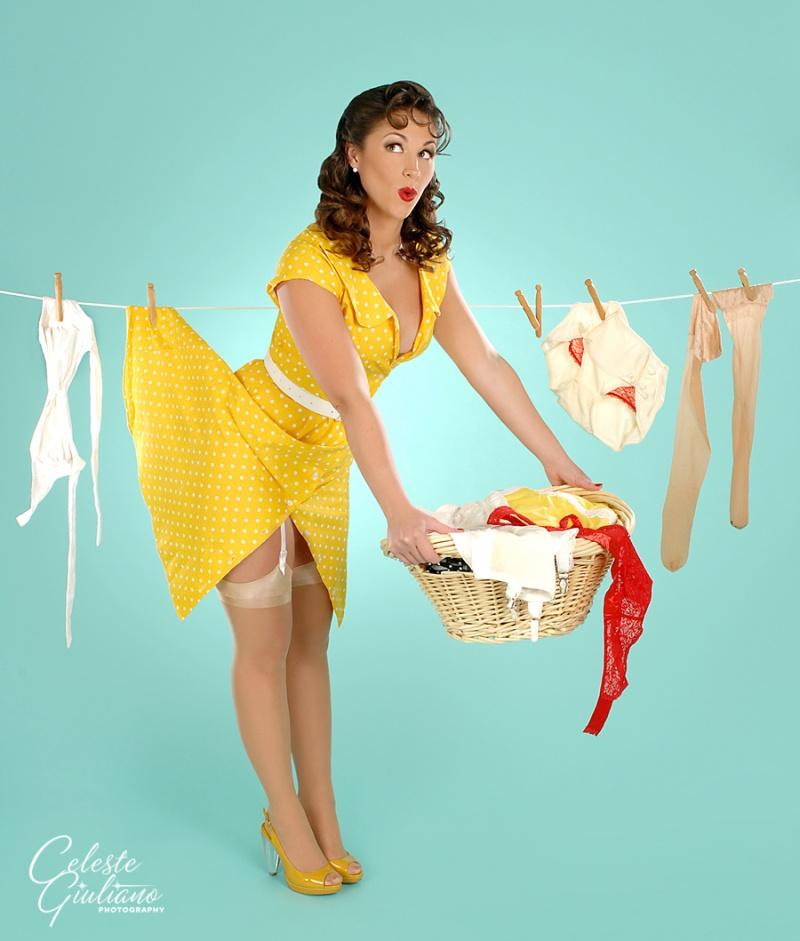
Example image ( https://imgdump5.novarata.net/og3pgh.jpg ) is 800x941 pixels in its original form:
. . . but if we use this URL: https://imgdump5.novarata.net/640x753/og3pgh.jpg the software will provide a smaller image:
. . and thumbnail size with https://imgdump5.novarata.net/240x282/og3pgh.jpg

If you have an image in any of the following sizes, any of the other sizes may be used without image distortion.
Please note that increasing an images's size will increase the distortion levels, so it's recommended you start with the largest image available and reduce its size, rather than trying to blow up a small image.
 Landscape orientation
480x360 | 640x480 | 800x600 | 1024x768 | 1200x960 | 1600x1200
 Portrait orientation
360x480 | 480x640 | 600x800 | 768x1024 | 960x1200 | 1200x1600
Oversize images can be a pain in the browser. If you're sharing something detailed ( i.e. "It's huge, so you can see it" ) that may only interest a few folks, it's usually best to use a clickable thumbnail.
[URL=https://imgdump5.novarata.net/og3pgh.jpg][IMG]https://imgdump5.novarata.net/240x282/og3pgh.jpg[/IMG][/URL] ( this one uses the pretty girl seen elsewhere on this page as an example )
Explained: [URL=URL to large image][IMG]URL to thumbnail image[/IMG][/URL]
This box holds advertisements.

Novarata services are ad supported. Amazon referrals help, too. Novarata services are supported in part by advertisments & referrals. If you like what Novarata offers, feel free to click on any Google ads, or shop at Amazon using the link shown here.
Thank you for your support
Novarata services are supported in part by advertisments & referrals. If you like what Novarata offers, feel free to click on any Google ads, or shop at Amazon using the link shown here.
Thank you for your support